

Loud snoring, restless sleep, morning headaches, and constant fatigue may be more than just an inconvenience.
These symptoms can be signs of obstructive sleep apnea, a condition that repeatedly interrupts breathing during sleep and prevents your body from getting the rest it needs. Fortunately, effective treatment options are available that can help you sleep better, breathe easier, and improve your overall health.
Is Your Sleep Affecting Your Life?
Many people live with sleep apnea for years without realizing it. While snoring is one of the most common warning signs, other symptoms often go unnoticed.
Common Symptoms Include:
- Loud or frequent snoring
- Excessive daytime fatigue
- Morning headaches
- Difficulty concentrating
- Dry mouth upon waking
- Irritability or mood changes
- Restless sleep
- Witnessed pauses in breathing during sleep
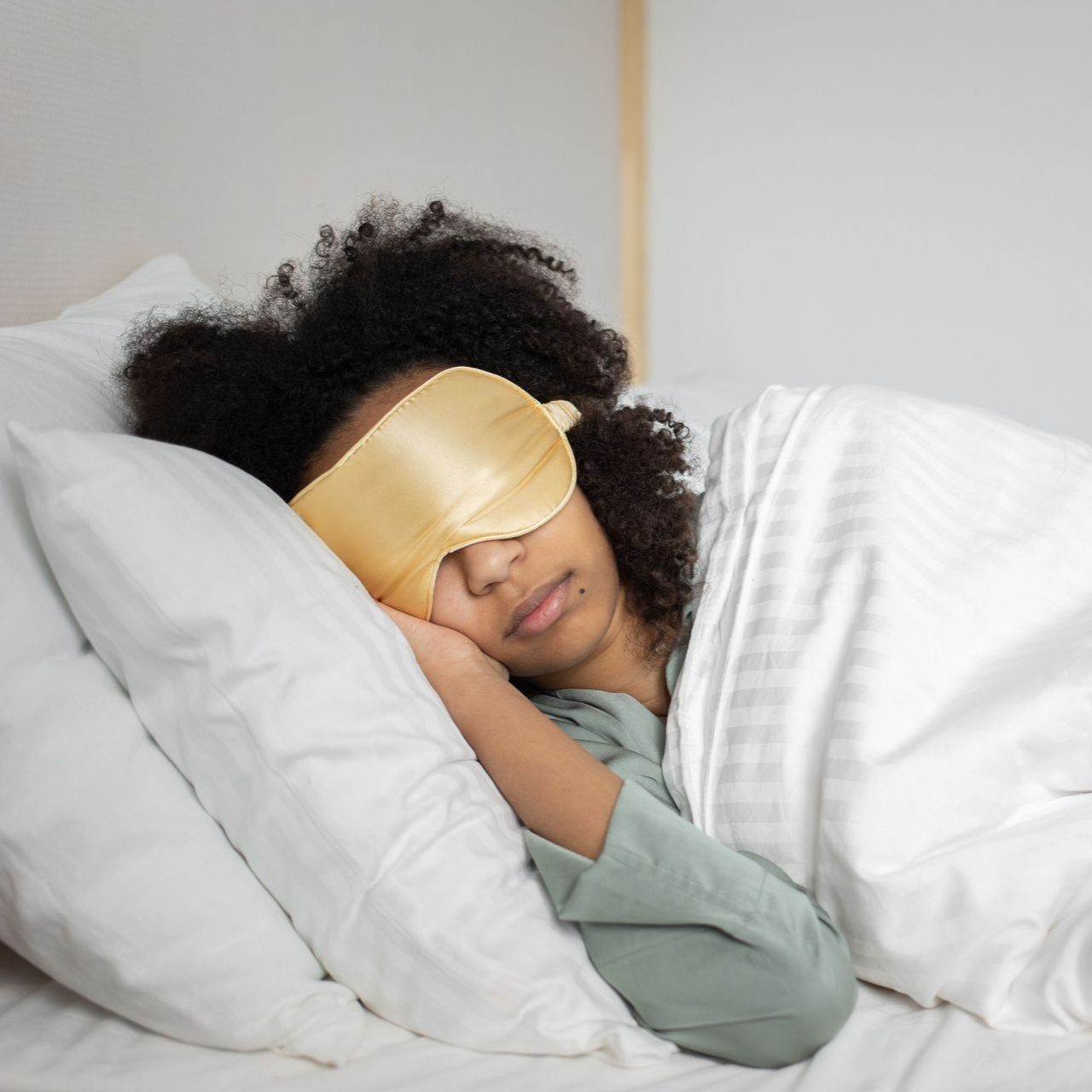
If these symptoms sound familiar, it may be time to schedule a sleep evaluation.
Why Sleep Apnea Shouldn't Be Ignored
The good news is that proper diagnosis and treatment can significantly improve sleep quality and daily function.
Untreated sleep apnea can impact your overall health, relationships, work performance, and quality of life. Many patients seek treatment because they are tired of feeling exhausted every day.
Others are motivated by concerns from a spouse or family member who notices their snoring or interrupted breathing during sleep.
What Causes Sleep Apnea?
Obstructive sleep apnea occurs when the airway becomes partially or completely blocked during sleep. As the muscles in the throat relax, airflow is restricted, causing breathing interruptions throughout the night.
Risk Factors May Include:
- Excess body weight
- Being over age 40
- Family history of sleep disorders
- Smoking
- Diabetes
- Larger neck circumference
- Chronic snoring
While these factors may increase risk, anyone can develop sleep apnea.
The First Step:
Sleep Testing
Before treatment can begin, a proper diagnosis is necessary.
A sleep study records important information about your breathing patterns, oxygen levels, sleep cycles, and interruptions throughout the night. Depending on your needs, testing may be performed in a sleep laboratory or through a convenient at-home sleep test.
The results help determine whether sleep apnea is present and which treatment option is most appropriate.
Treatment Options for Sleep Apnea
Every patient is different, which is why treatment recommendations are personalized based on the severity of symptoms and sleep study findings.
CPAP Therapy
Continuous Positive Airway Pressure (CPAP) therapy remains one of the most commonly prescribed treatments for moderate to severe sleep apnea. The device uses pressurized air to help keep the airway open throughout the night.
Oral Appliance Therapy
For many patients, a custom oral appliance is a comfortable alternative to CPAP therapy. Designed to gently reposition the jaw during sleep, it helps keep the airway open, reducing snoring and breathing interruptions caused by obstructive sleep apnea.
Why Patients Choose Oral Appliance Therapy
Many patients prefer oral appliances because they fit comfortably in the mouth and are easy to use every night. Unlike bulky equipment, the appliance is compact and convenient for travel while providing effective airway support for appropriate candidates.
Custom appliances are designed specifically for your mouth, helping maximize comfort and effectiveness while you sleep.
Our Treatment Process
1. Consultation & Evaluation
We'll discuss your symptoms, medical history, and sleep concerns to determine whether further testing is recommended.
2. Sleep Study
A sleep study confirms whether sleep apnea is present and measures its severity.
3. Treatment Planning
Based on your results, we'll review available treatment options and recommend the best solution for your needs.
4. Custom Appliance Fitting
If oral appliance therapy is appropriate, a custom device will be created specifically for your mouth.
5. Follow-Up Care
Ongoing monitoring ensures your treatment remains comfortable and effective over time.
FAQs
Frequently Asked Questions
Can snoring be a sign of sleep apnea?
Yes. While not everyone who snores has sleep apnea, snoring is one of the most common symptoms associated with the condition.
Is oral appliance therapy comfortable?
Most patients adjust quickly to their appliance. Because it is custom-made, it is designed for comfort and nightly wear.
Do I need a sleep study first?
Yes. A sleep study is necessary to properly diagnose sleep apnea and determine the most effective treatment plan.
Start Sleeping Better Today
If snoring, fatigue, or poor sleep quality are affecting your life, don't wait to find answers. Our team can help identify the cause of your symptoms and develop a treatment plan designed to help you achieve healthier, more restful sleep.
Contact us today to schedule your sleep apnea consultation.